



Request Activewear Fabric Options
Tell us your application and fabric requirements. Our team usually replies within 24 hours.Tell us your application and fabric requirements. Our team usually replies within 24 hours.
*Name Cannot be empty!
* Enter product details such as size, color,materials etc. and other specific requirements to receive an accurate quote. Cannot be empty
Mask_group-9

ANRUDA

High-Performance Nylon Fabric for Activewear Brands

  Whether you're a fashion designer, a textile artist, or a finished fabric manufacturer, now is the perfect time to explore Anruda's nylon blended fabrics. We specialize in high-quality, value-added nylon fabrics and offer customization services.
  As a leading nylon fabric manufacturer in China, Anruda offers flexible minimum order quantities, backed by superior quality, service, and stable production capacity. Whether you need custom-designed nylon greige fabric or tie-dyed fabrics with various patterns and designs, Anruda can meet your needs. We lead the industry in craftsmanship, supply stability, and fabric functionality, giving you peace of mind.
  Download our latest fabric catalog now or get the latest quotes for in-stock fabrics. Anruda also offers 1:1 custom nylon fabric compositions and jacquard styles, giving you the best chance to catch up with your competitors.

  Recyclable plan: recycled nylon fabric and nylon-spandex blends are available for activewear and swimwear applications.

Request Nylon
Fabric Samples
Mask_group-9

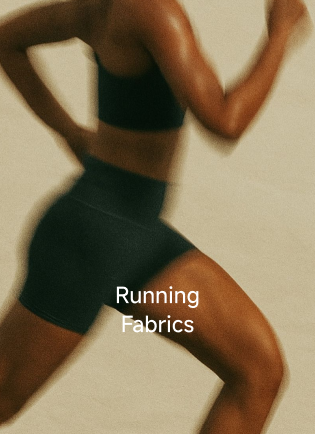
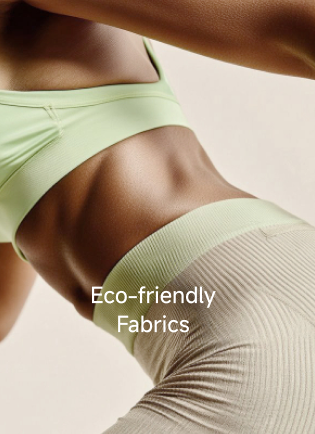
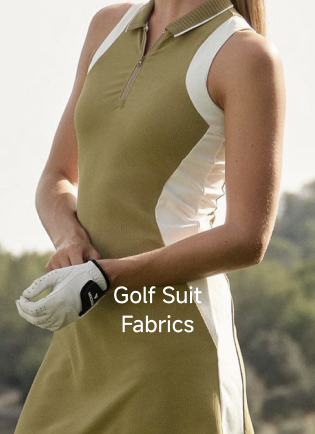
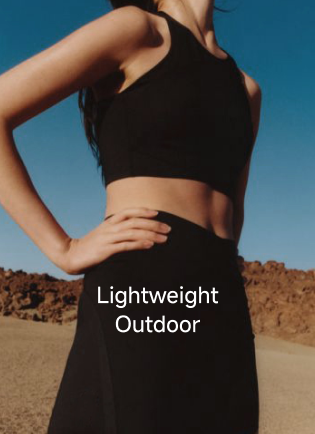
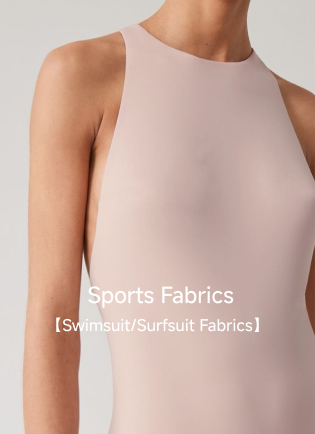
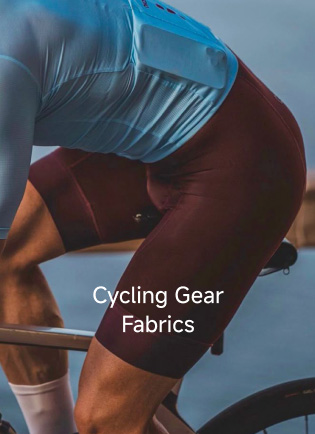
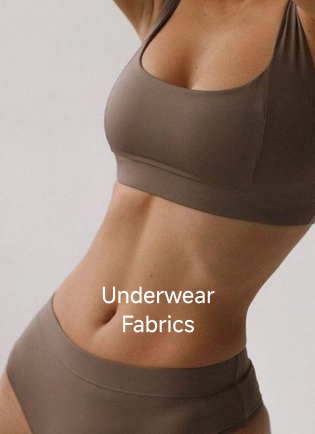
Browse our nylon fabric classifications by application

Composition: Typically nylon and other yarns
Proportion: Typically 60% nylon or higher, 40% or lower of other materials (such as spandex)
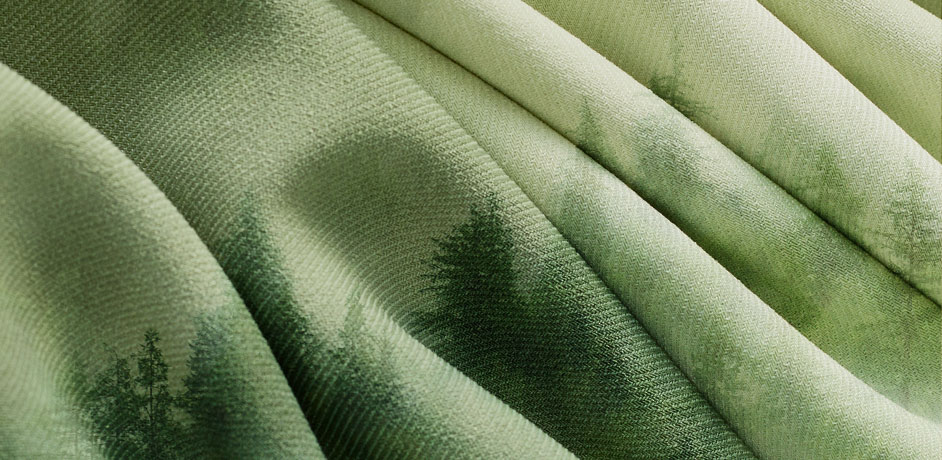
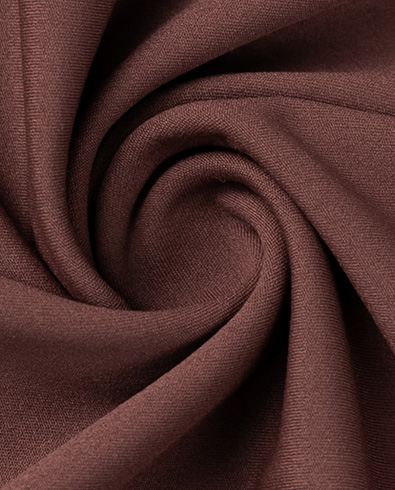
Texture: Can be tie-dyed to create a random, consistent pattern.
Finished width: 130–180 cm

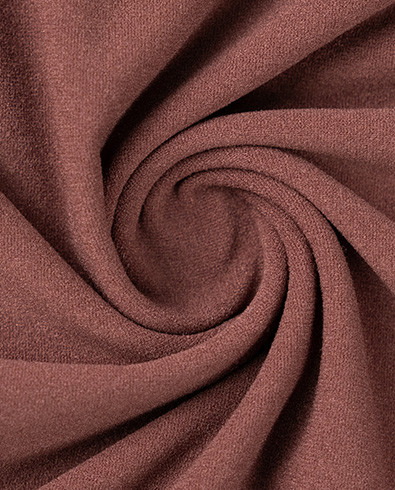
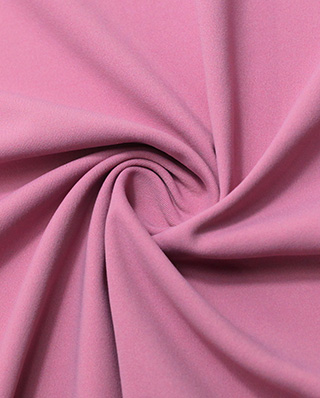
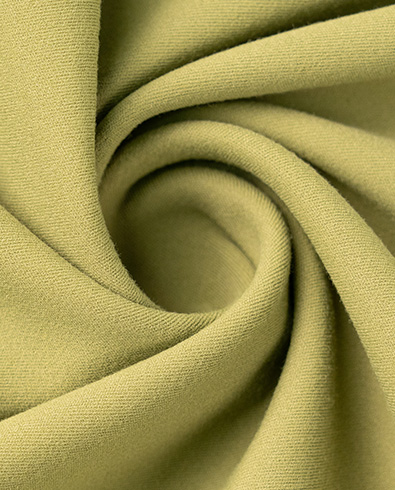
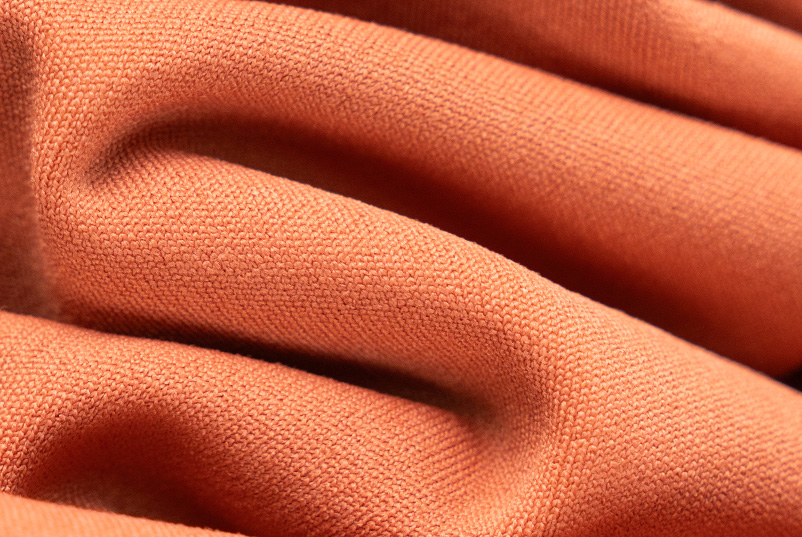
Popular nylon fabric style selection

Colors: provide 200+ color options &  standard fabric swatches
Quality: All fabrics are made of high-quality nylon fibers, and the blending ratio can be customized
Finishing: Achieve visual and special properties through chemical agents and sanding

image
image
ANRUDA

Why Choose Anruda NYLON Fabric

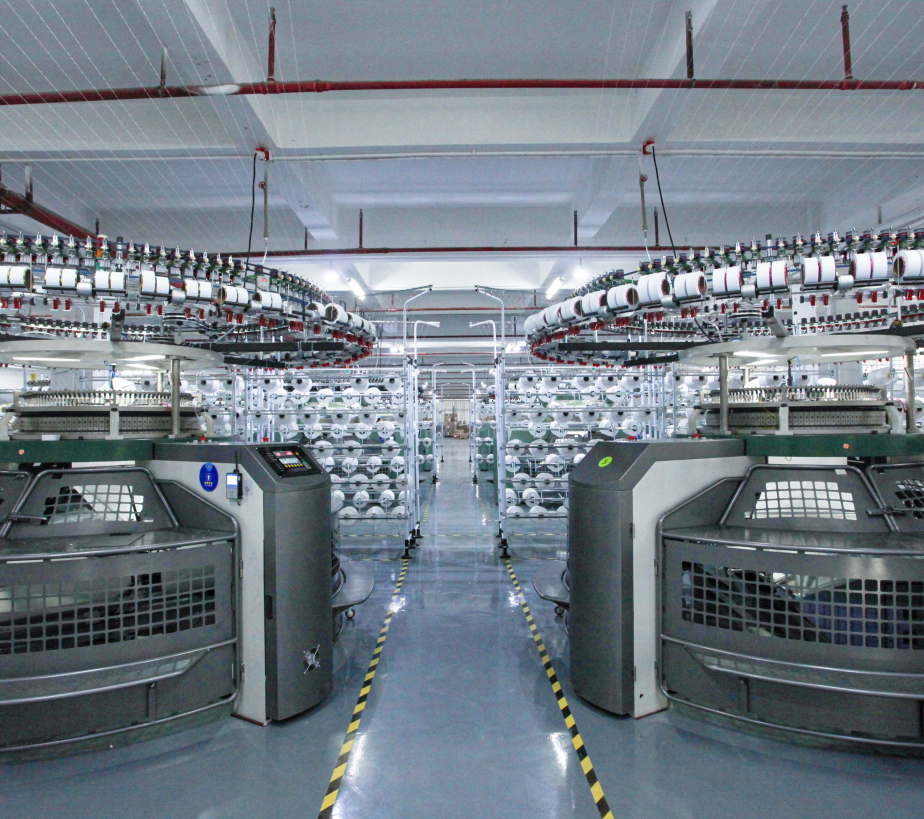
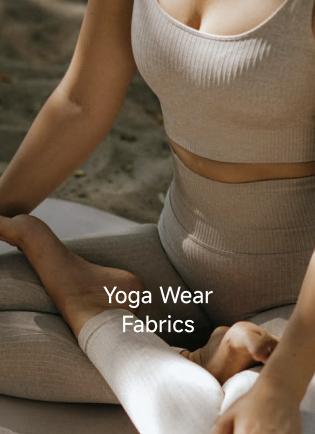
Anruda has 11 years of experience in nylon and spandex fabric development, with strong capabilities in nylon blended fabric manufacturing for yoga, swimwear, cycling, running, and high-performance sportswear.
View our fabric factory
  • Group 190
    Stable Output
  • Group 188
    Competitive Prices
  • Group 189
    Professional OEM Service
  • Group 191
    On-time Delivery

Nylon Fabric Production Process

Our Process

Mask_group-13
01
Confirm fabric samples, composition, weight, width, color, and order details.

Specs Check

Mask_group-14
02

Fulfillment

Load the yarn and weave it into a fabric with the desired structure according to the order details.
Mask_group-15
03

Batch dyeing

The nylon fabric undergoes functional treatments according to customer requirements.
Mask_group-16
04

Quality control

Nylon fabric is tested for quality, color fastness, and performance.
Mask_group-12
05

Successful delivery

Finished nylon fabric is packed and shipped on schedule.
NYLON FABRIC MATCHING

Find the Right Nylon Fabric for Your Brand

Tell us your application and performance priorities. Our team will recommend suitable nylon-spandex fabrics, available swatches or a custom development route.

Nylon-spandex fabric recommendations

In-stock swatches and color options

Custom composition, GSM and hand feel

1:1 reference fabric development

Testing and quality-control support

What Happens Next

Our team reviews your application, performance requirements and sourcing goal before recommending suitable fabric options.

NYLON FABRIC PERFORMANCE TESTING

Nylon Fabric Quality Assurance

Nylon-spandex fabrics are evaluated according to their structure, color, stretch level and intended garment application.

At Anruda, representative fabric samples may be tested for snagging resistance, color fastness to rubbing, fuzzing and pilling resistance, and stretch recovery before production approval or shipment.

The applicable test method, test conditions and acceptance criteria are confirmed according to the fabric specification, customer requirements and target application.

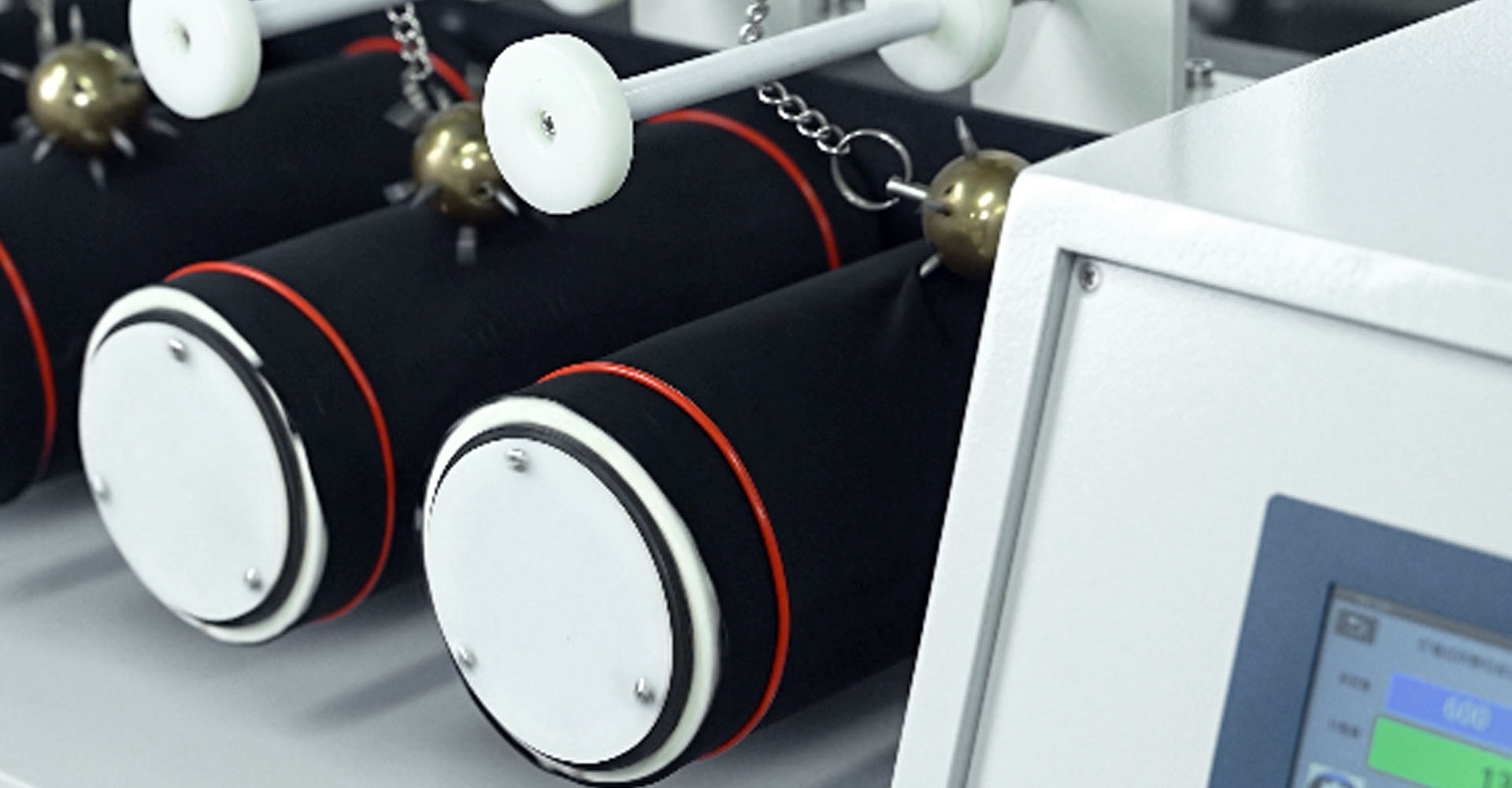
mace snagging resistance test on nylon spandex activewear fabric
TEST 01

Snagging Resistance Test — Mace Method

The mace snagging test evaluates how easily loops, filaments or yarns may be pulled from the fabric surface when exposed to sharp or projecting objects.

This performance is particularly relevant to nylon-spandex leggings, cycling wear and gym apparel that may contact zippers, hook-and-loop fasteners, equipment edges, benches or rough surfaces.

Purpose Evaluate visible snags, pulled loops and displaced yarns.
Applicable Method GB/T 11047-2008 mace test method or an agreed customer method.
Equipment Mace snagging tester.
Test Output Visual snagging grade and recorded surface observations.
View Test Process & Result Use

How the Mace Snagging Test Is Performed

  1. Confirm the Test Requirement

    The laboratory confirms the applicable method, specimen direction, test duration or cycle setting, evaluation procedure and required acceptance level.

  2. Select Representative Specimens

    Fabric specimens are selected from representative areas while avoiding creases, visible defects and previously damaged sections. Fabric code, color and production lot are recorded for traceability.

  3. Condition and Mount the Fabric

    The specimens are conditioned according to the applicable laboratory procedure and mounted securely on the rotating test cylinders without wrinkles or abnormal tension.

  4. Apply the Controlled Snagging Action

    During testing, the cylinders rotate while the spiked mace repeatedly contacts the fabric surface under controlled conditions, simulating random contact with projecting objects.

  5. Evaluate Surface Damage

    The tested specimens are examined under controlled viewing conditions. Pulled loops, protruding yarns and visible surface distortion are compared with the applicable visual rating reference.

  6. Record and Review the Result

    The snagging grade and observations are recorded together with the sample details and testing conditions. Results are compared with the agreed fabric requirement.

How Anruda Uses the Results

If snagging performance does not meet the target, the development team may review yarn selection, filament characteristics, knitting density, loop structure, surface finishing or the intended garment application.

The fabric may then be adjusted, retested or discussed with the customer before bulk production or shipment approval.
Key Applications
Yoga Leggings Cycling Wear Gym Apparel Compression Wear
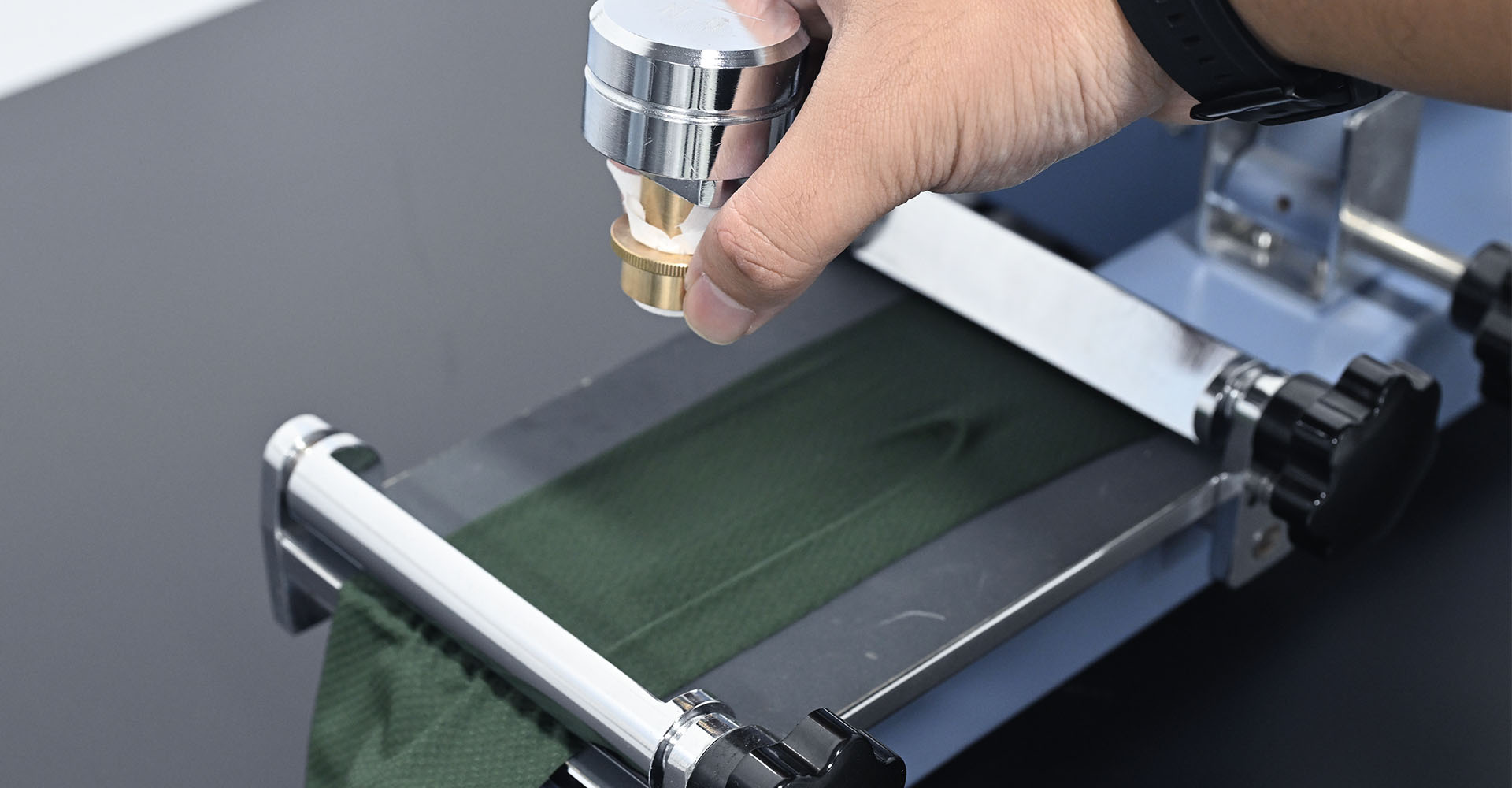
dry and wet color fastness to rubbing test on nylon activewear fabric
TEST 02

Color Fastness to Rubbing

Color fastness to rubbing evaluates whether color may transfer from a dyed nylon fabric surface to another material under dry or wet friction.

For dark shades, high-saturation colors and matching activewear sets, insufficient rubbing fastness may cause staining on light-colored garment panels, linings, accessories or other surfaces during production and wear.

Purpose Evaluate color transfer under dry and wet rubbing conditions.
Applicable Methods GB/T 3920-2008, ISO 105-X12,EN ISO 105-X12:2016,AATCC TM8-2016e or a customer-specific method.
Equipment Crockmeter.
Test Output Dry and wet staining grade under specified conditions.
View Test Process & Result Use

How the Color Fastness to Rubbing Test Is Performed

  1. Confirm the Test Conditions

    The laboratory confirms the applicable test method, fabric direction, dry or wet condition and required acceptance level.

  2. Select and Condition the Specimen

    Representative specimens are selected, identified and conditioned. Where necessary, specimens may be tested in different fabric directions or taken from different areas.

  3. Prepare the Standard Rubbing Cloth

    A standard white rubbing cloth is prepared for the required dry or wet condition. The wet cloth is prepared according to the specified moisture requirement before installation.

  4. Perform Controlled Rubbing

    The fabric specimen is secured on the crockmeter and rubbed under controlled pressure and movement. Dry and wet tests are conducted separately where both conditions are required.

  5. Assess Color Transfer

    Staining on the white rubbing cloth is evaluated using the applicable grey scale or rating procedure.

  6. Record and Review the Result

    The laboratory records the test method, dry or wet condition, staining grade, fabric code, color, production lot and test date.

How Anruda Uses the Results

The result is reviewed together with the fabric shade, dyeing process, surface condition and intended garment application.

If the agreed rating is not achieved, dye selection, washing, soaping, color fixation or finishing conditions may be reviewed before corrective action and repeat testing.

Key Applications
Dark Nylon Fabrics Activewear Sets Swimwear Next-to-Skin Apparel
dry and wet color fastness to rubbing test on nylon activewear fabric
TEST 03

Resistance to Fuzzing and Pilling — Circular Locus Method

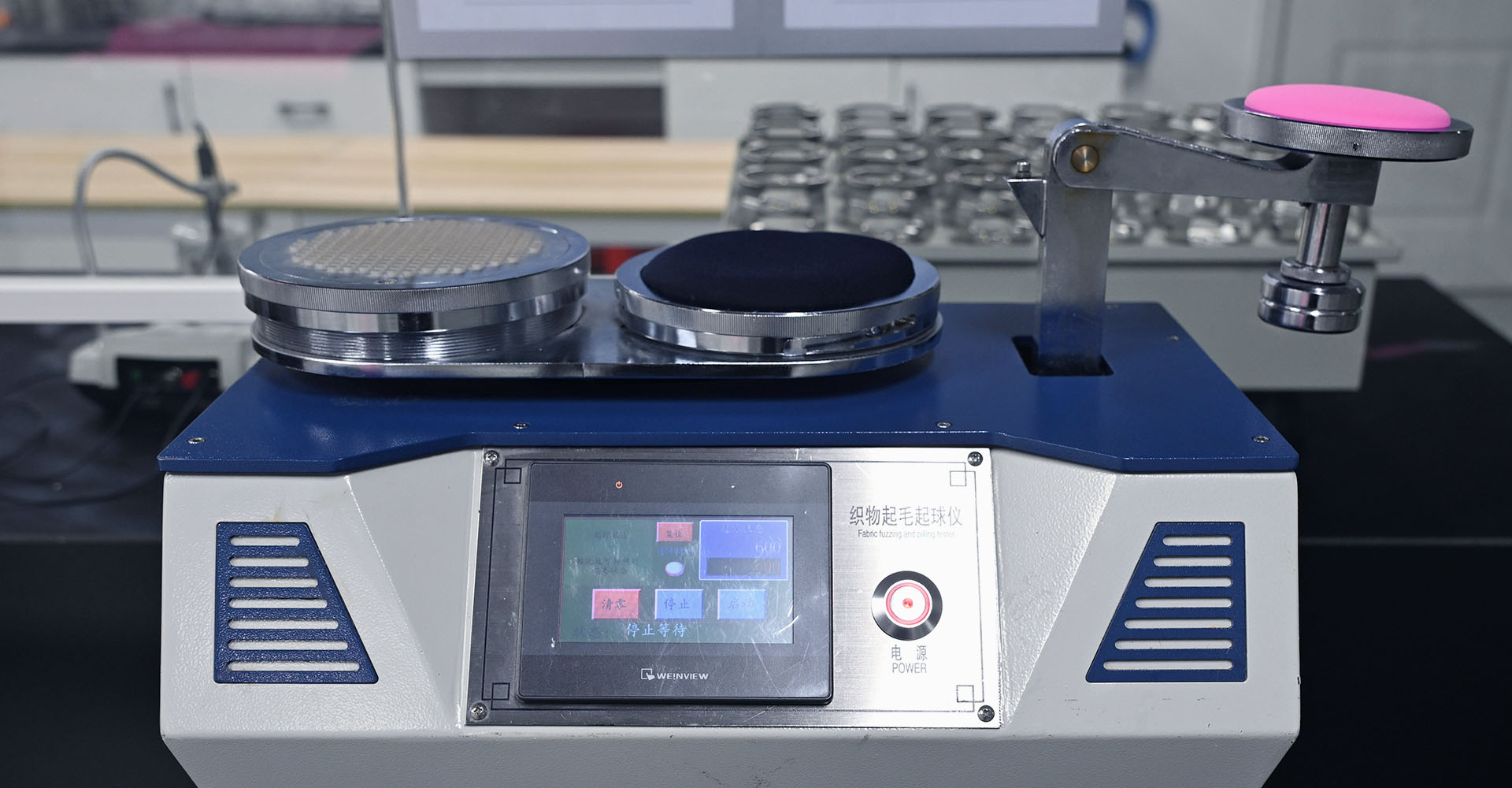
The circular locus method evaluates the tendency of a fabric surface to develop fuzz and pills after controlled rubbing.

For nylon-spandex leggings and training apparel, pilling may become visible around inner thighs, waistbands, underarms and areas that repeatedly contact equipment or other garment layers.

Purpose Evaluate surface fuzzing and pill formation.
Applicable Method GB/T 4802.1-2008 circular locus method or an agreed method.
Equipment Circular locus pilling tester.
Test Output Visual fuzzing and pilling grade under specified conditions.
View Test Process & Result Use

How the Circular Locus Pilling Test Is Performed

  1. Confirm the Test Parameters

    The laboratory confirms the applicable method, rubbing pressure, abrasive material, number of movements and required appearance grade.

  2. Select and Prepare Specimens

    Representative specimens are taken from the fabric while avoiding creases, selvages, damaged areas and visible defects. Specimen direction and identification are recorded.

  3. Condition and Secure the Specimens

    The specimens are conditioned according to the applicable procedure and secured on the test platform without distortion.

  4. Apply Controlled Circular Rubbing

    The fabric surface is exposed to controlled circular rubbing using the specified abrasive material, pressure and number of movements.

  5. Evaluate Fuzzing and Pilling

    The specimens are assessed under controlled lighting and viewing conditions. Surface fuzzing and pill formation are compared with the applicable visual rating reference.

  6. Record the Appearance Grade

    The test method, parameters, appearance grade, specimen information and unusual surface changes are documented.

How Anruda Uses the Results

When pilling performance does not meet the agreed target, yarn quality, filament structure, knitting density, loop length, brushing, heat setting and finishing conditions may be reviewed.

The purpose is to evaluate and reduce pilling risk before the fabric enters bulk garment production, rather than to claim that a fabric can never pill.

Key Applications
Nylon Leggings Yoga Wear Training Apparel Brushed Fabrics
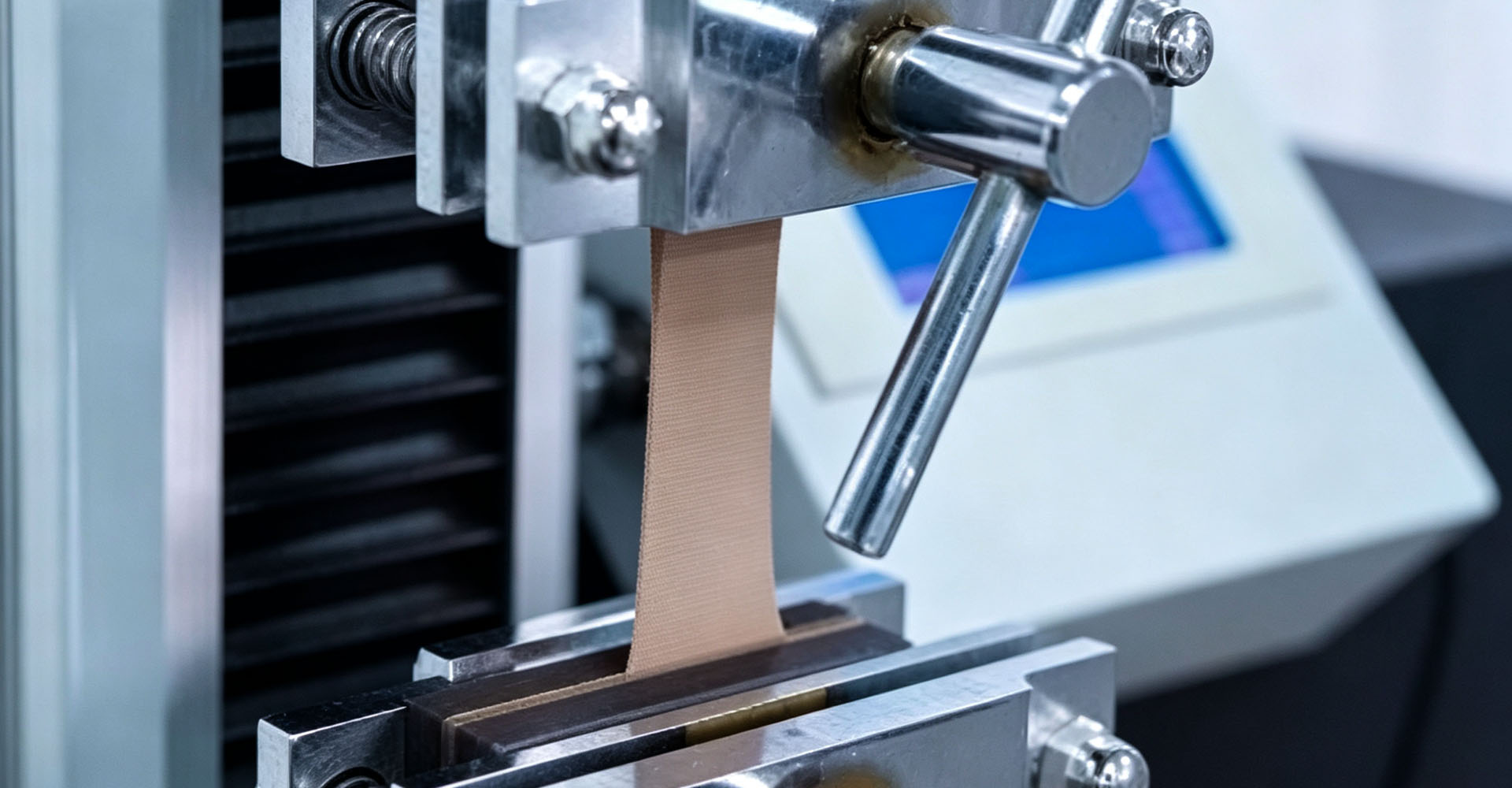
delayed-load stretch and elastic recovery test on nylon spandex fabric
TEST 04

Stretch and Elastic Recovery Test — Delayed-Load Extension Method

Stretch and elastic recovery testing evaluates how far a nylon-spandex fabric extends under a specified load and how effectively it returns toward its original dimensions after the load is removed.

Insufficient recovery may contribute to knee bagging, loose waistbands, reduced compression or permanent garment deformation after repeated movement.

Purpose Evaluate extension, elastic recovery and residual deformation.
Applicable Method FZ/T 70006-2022 delayed-load procedure or customer method.
Equipment Fabric stretch and recovery testing equipment.
Test Output Extension, recovery and residual deformation percentages.
View Test Process & Result Use

How the Stretch and Elastic Recovery Test Is Performed

  1. Confirm the Test Requirement

    The laboratory confirms the test direction, initial gauge length, specified load or extension, loading time, recovery period and required acceptance level.

  2. Prepare and Mark the Specimen

    Representative specimens are cut in the required course or wale direction. The original measurement length and sample information are recorded.

  3. Condition and Mount the Specimen

    The specimens are conditioned and mounted in the testing equipment without slipping, twisting or introducing unintended pre-tension.

  4. Apply and Maintain the Load

    The specified load or extension is applied and maintained for the required period to evaluate fabric behavior under sustained stretch.

  5. Remove the Load and Allow Recovery

    The force is removed and the specimen is allowed to recover for the specified delay period under controlled conditions.

  6. Measure and Calculate the Result

    The recovered specimen length is measured and used to calculate extension, elastic recovery and residual deformation according to the applicable method.

How Anruda Uses the Results

Stretch recovery results are reviewed together with spandex content, yarn specification, fabric structure, GSM, knitting density and heat-setting conditions.

If recovery is below the target, yarn feeding, spandex ratio, loop structure, knitting settings or finishing parameters may be reviewed before the fabric is approved for leggings, compression wear or other fitted activewear.

Key Applications
Yoga Leggings Sports Bras Cycling Shorts Compression Wear
Testing Note

Test conditions and acceptance levels vary according to fabric structure, color, garment application and customer specification. Testing items are selected according to the requirements of each nylon fabric project.

Discuss Your Nylon Fabric Testing Requirements